
Home





About Us
Guangdong KEPU Technology Co., Ltd.
Guangdong Kepu Technology Co., Ltd., founded in 2004, is a China-based manufacturer of TCG accessories and trading card protection products under the KEJEA brand.
With over 22 years of manufacturing experience, we integrate product development, mold design, injection molding, assembly and quality control in-house.
Our products include magnetic card holders, graded card cases, slab protectors, semi-rigid holders, sleeves, toploaders and customized TCG accessories.
We provide OEM/ODM and custom mold development for global brands, distributors, wholesalers and importers, from concept to mass production.
Trusted by Global TCG Partners
Supporting brands, distributors and retailers worldwide with customized TCG accessory solutions.
Manufacturing Capability
Second Production Base: 120,000 m² / Magnetic Card Holders: 10M+ units/monthly / Top-loaders : 60M+ units/monthly
More About Us
Call Us Now
0769-88389789
Products
Products
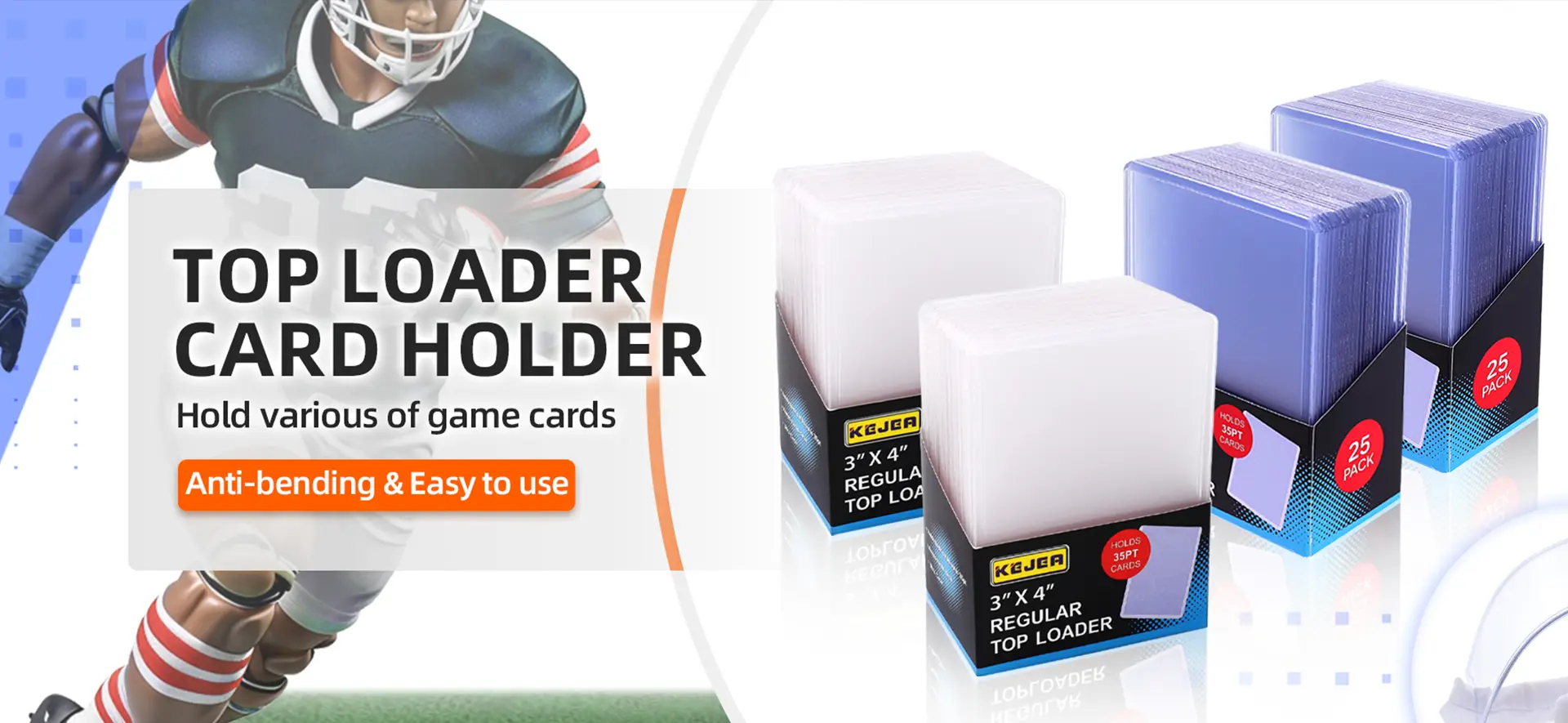
- Toploader
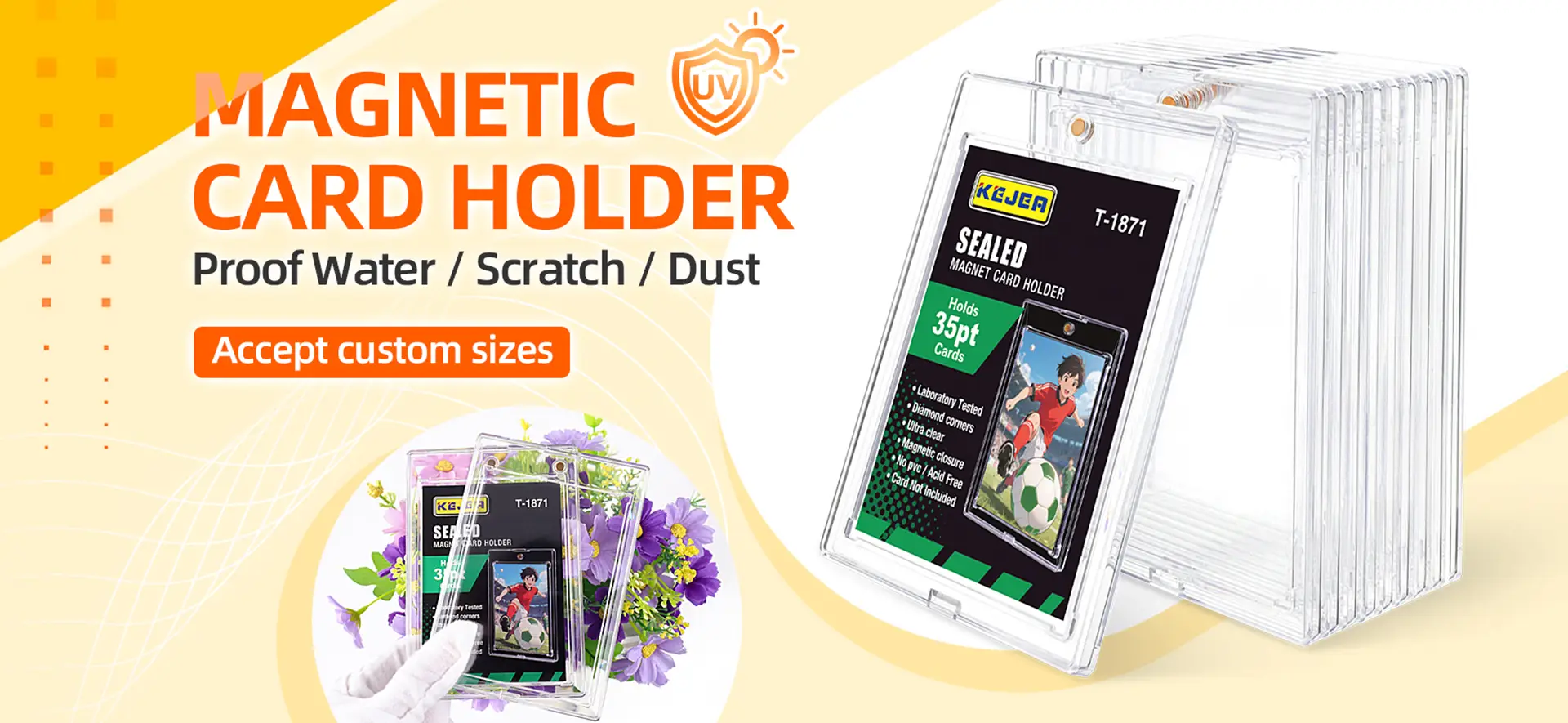
- Magnetic Card Holder
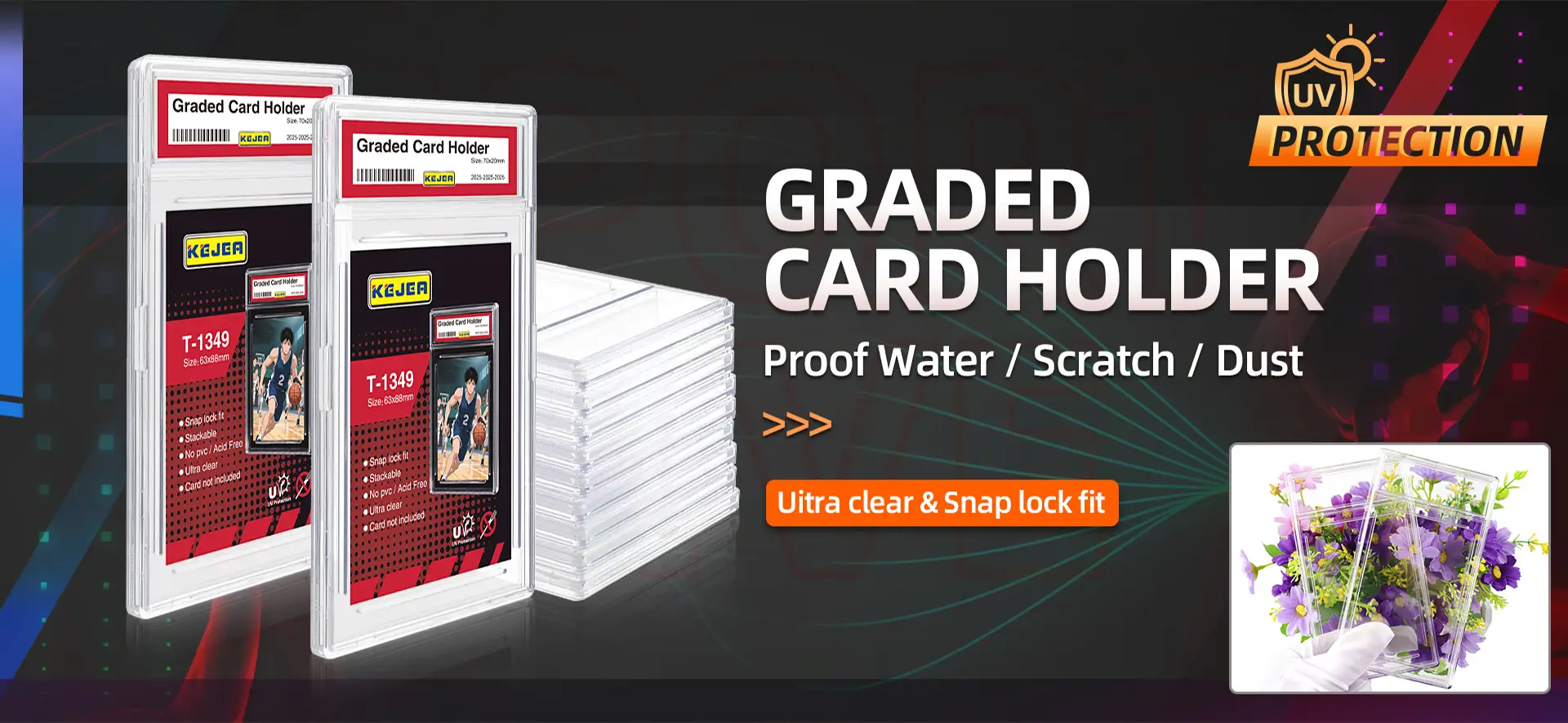
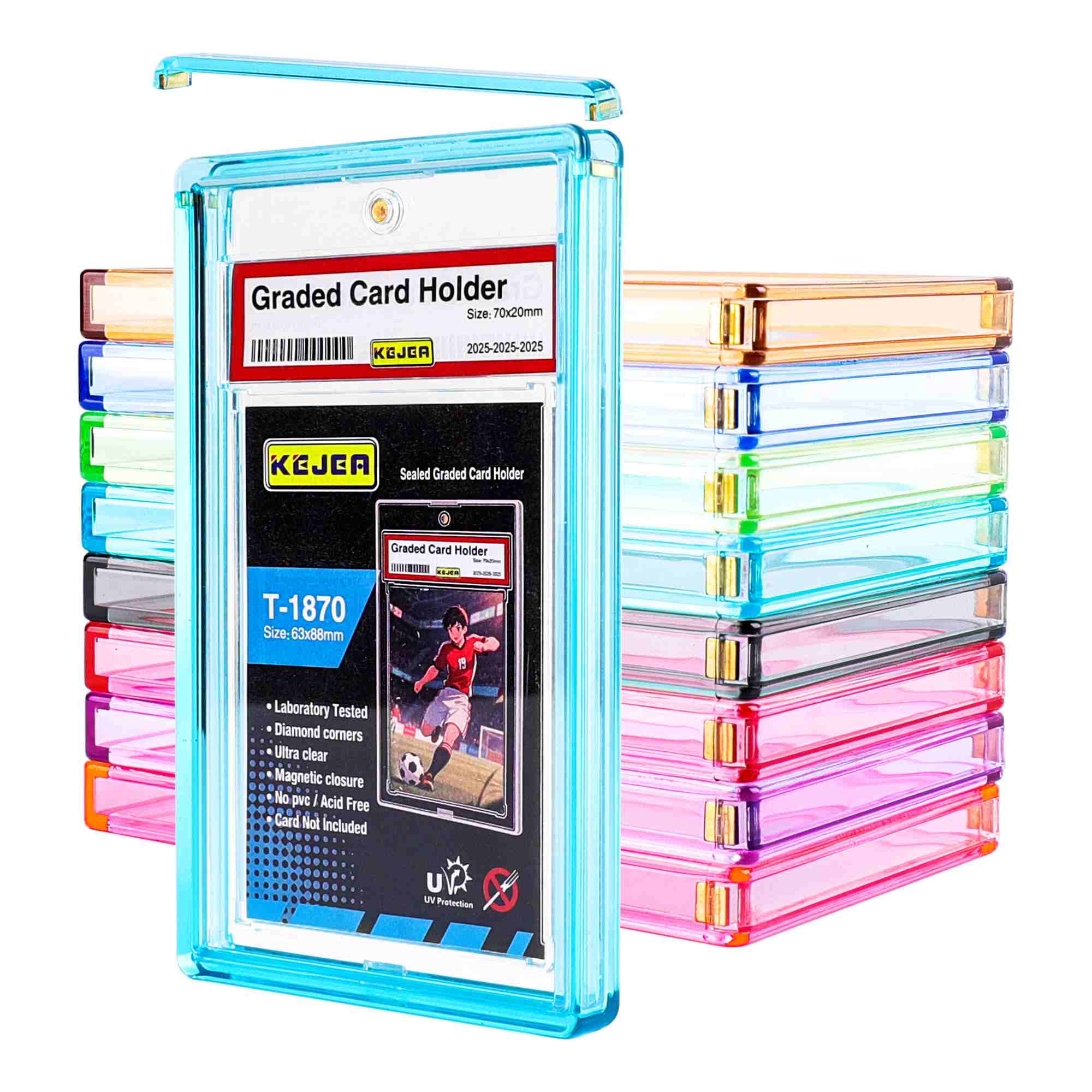
- Graded Card Holder
- PSA Grade Guard
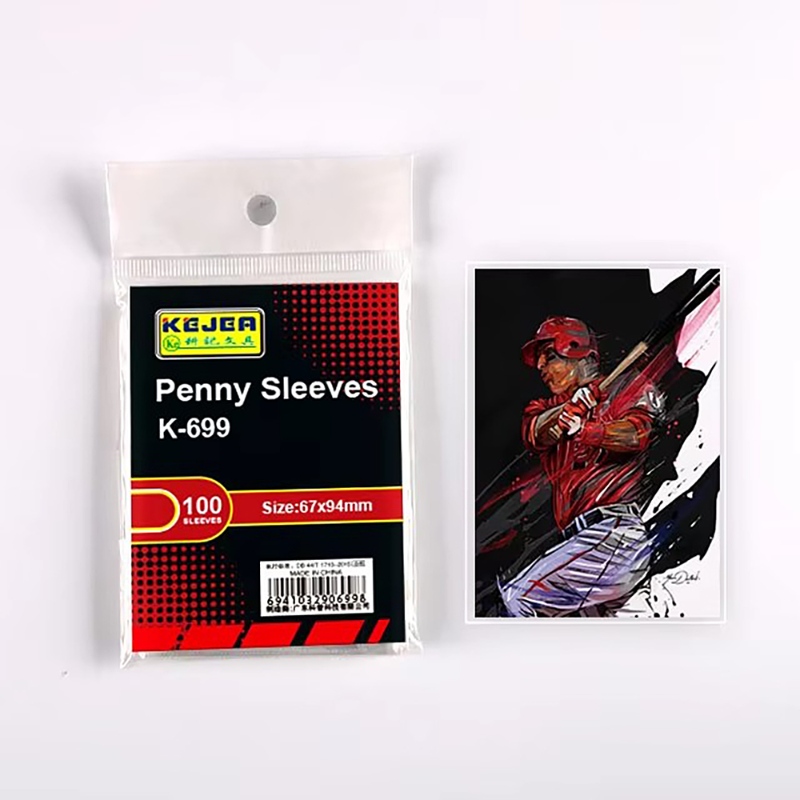
- Card Sleeves
Rigid transparent protective case, sturdy and non-deformable, great for daily storage and display.
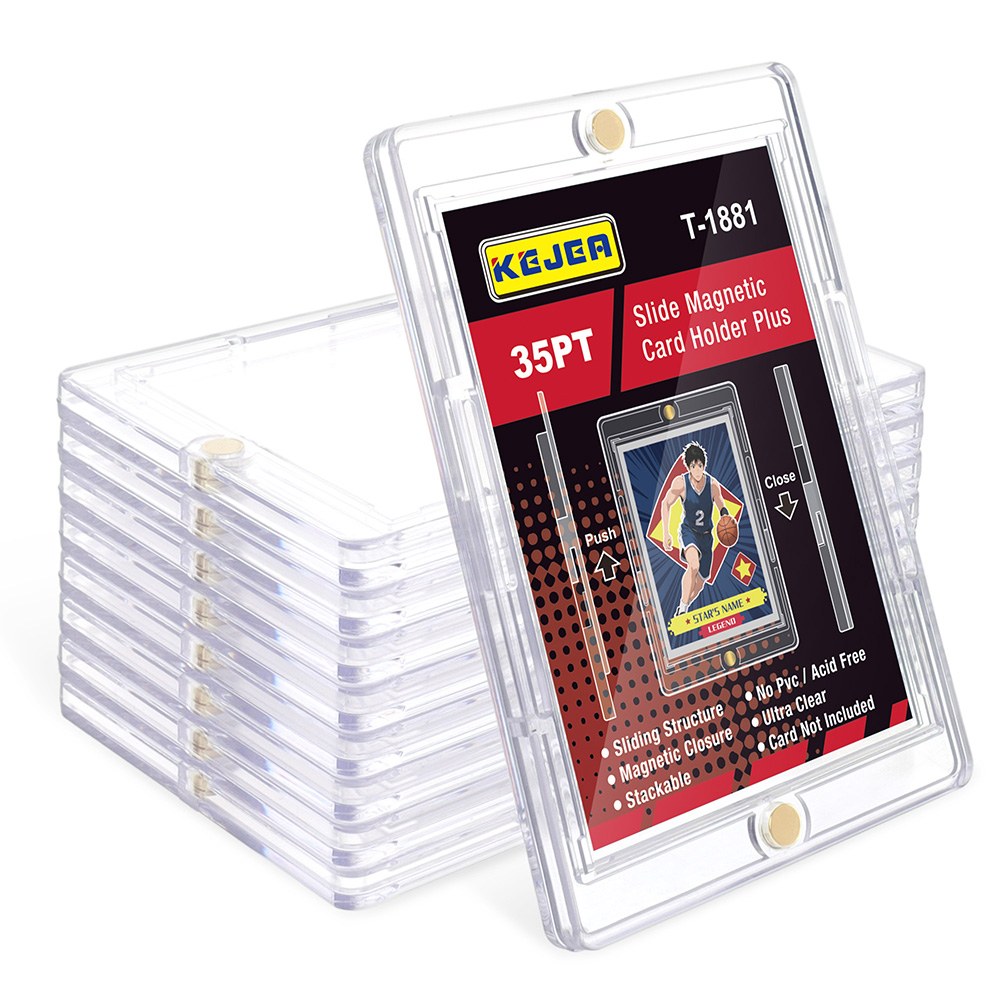
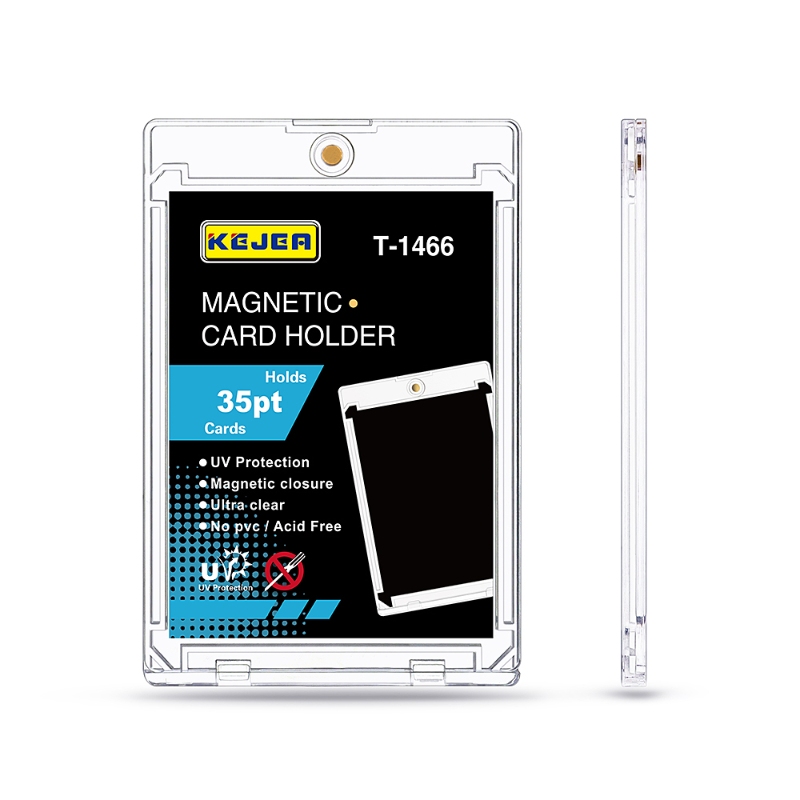
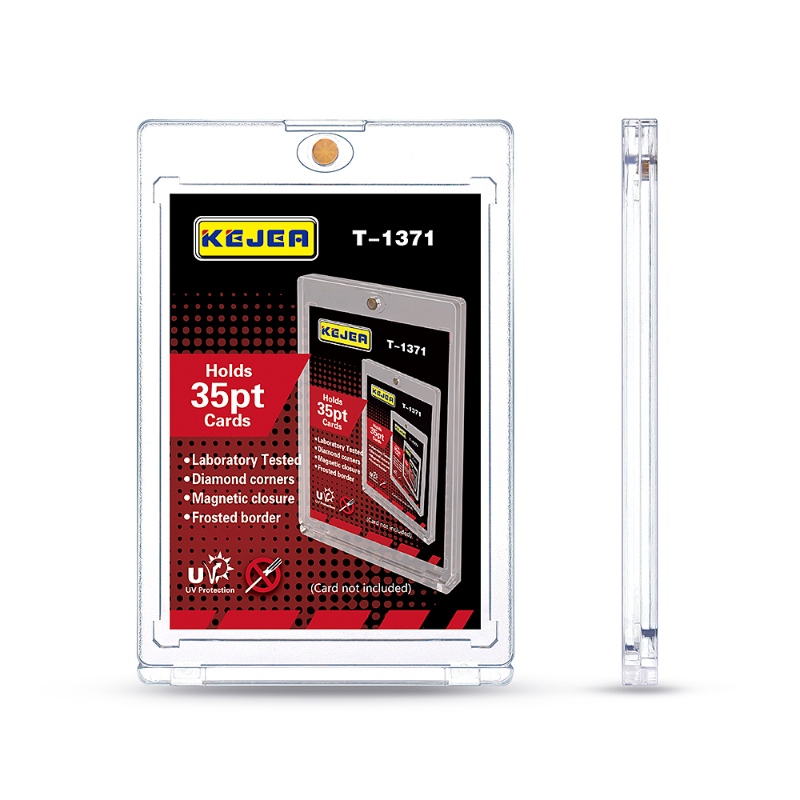
Strong magnetic closure for easy opening and closing, fully protecting cards from scratches and deformation.
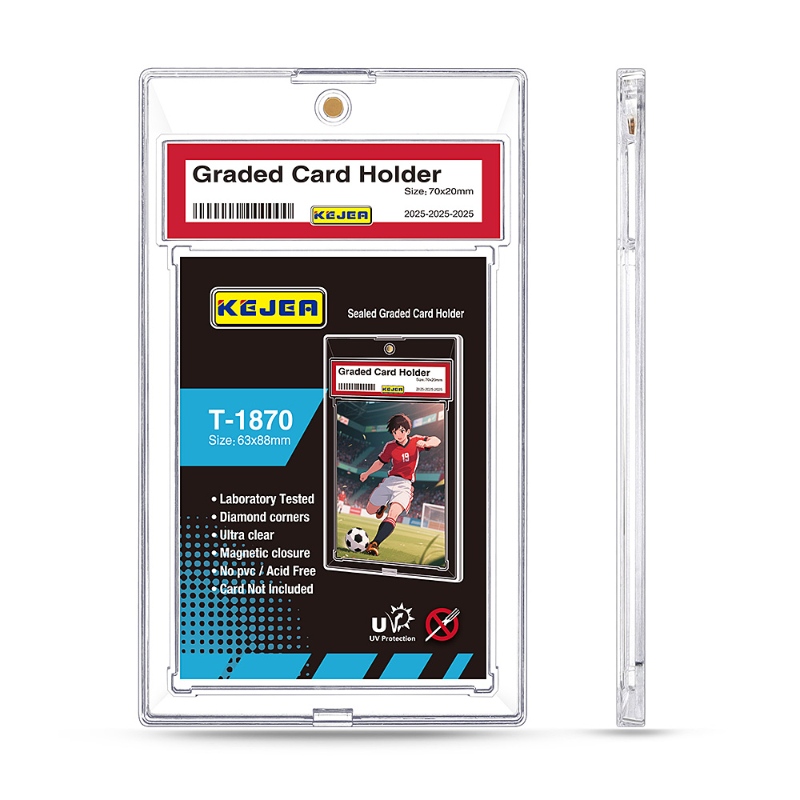
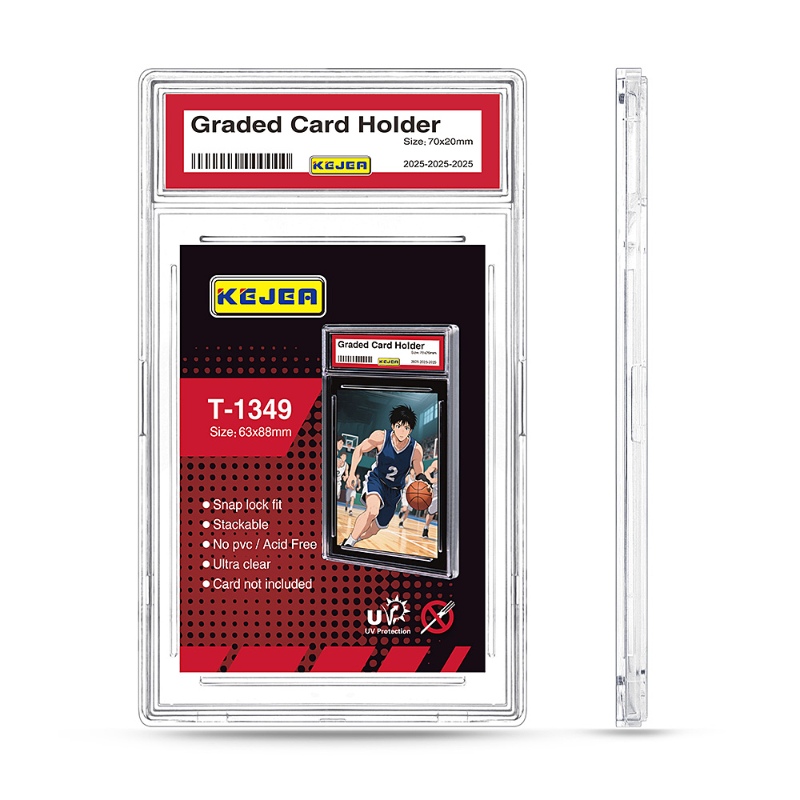
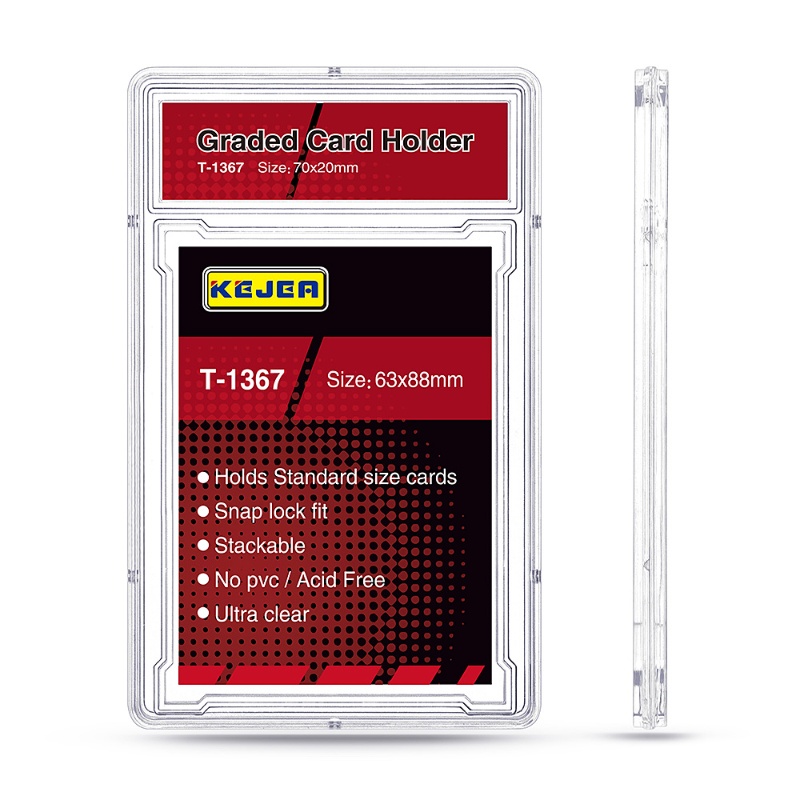
Custom-designed for graded cards, snug fit, anti-pressure and anti-drop, ideal for displaying collectible cards.
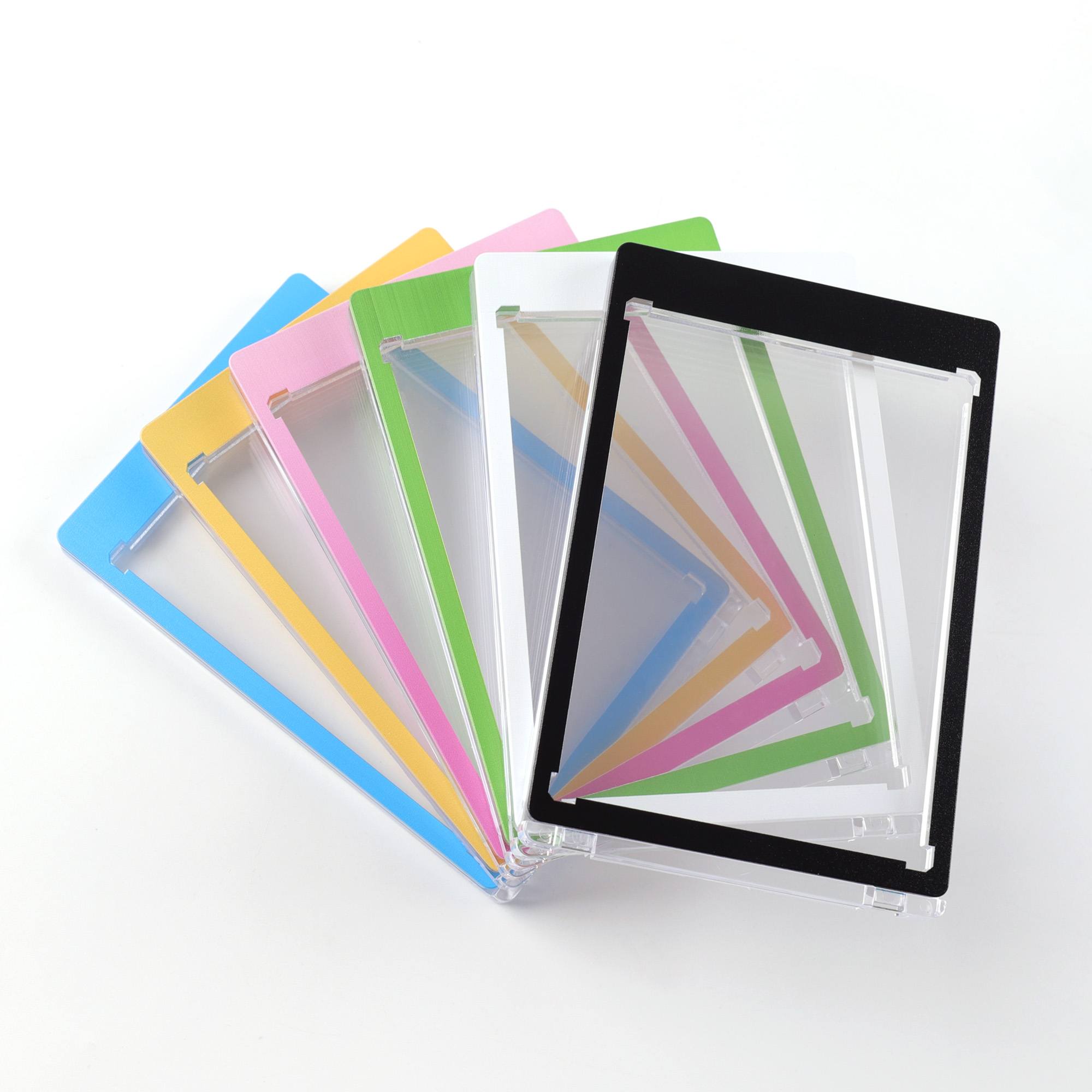
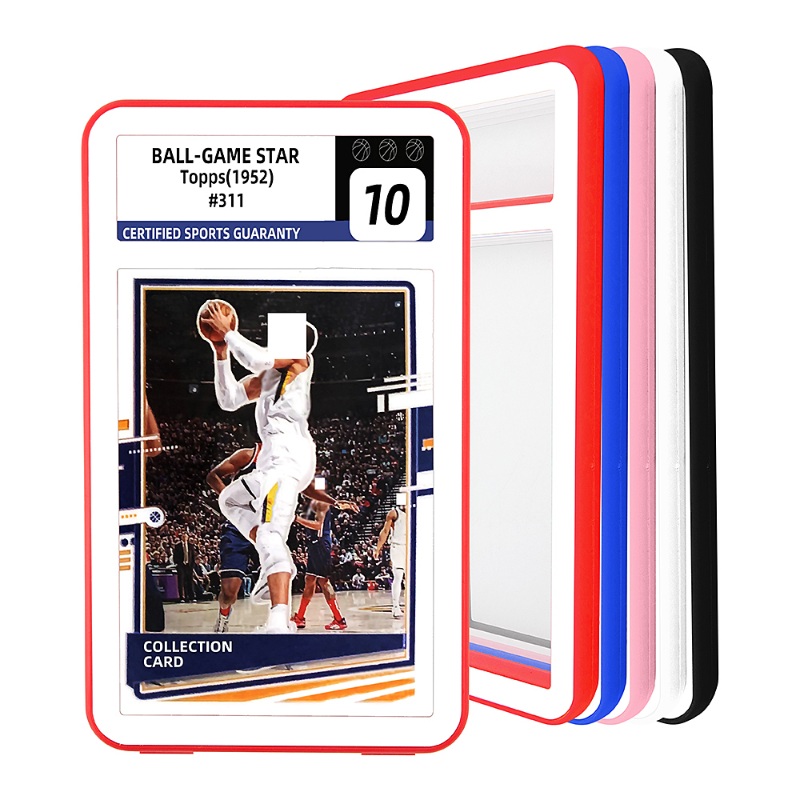
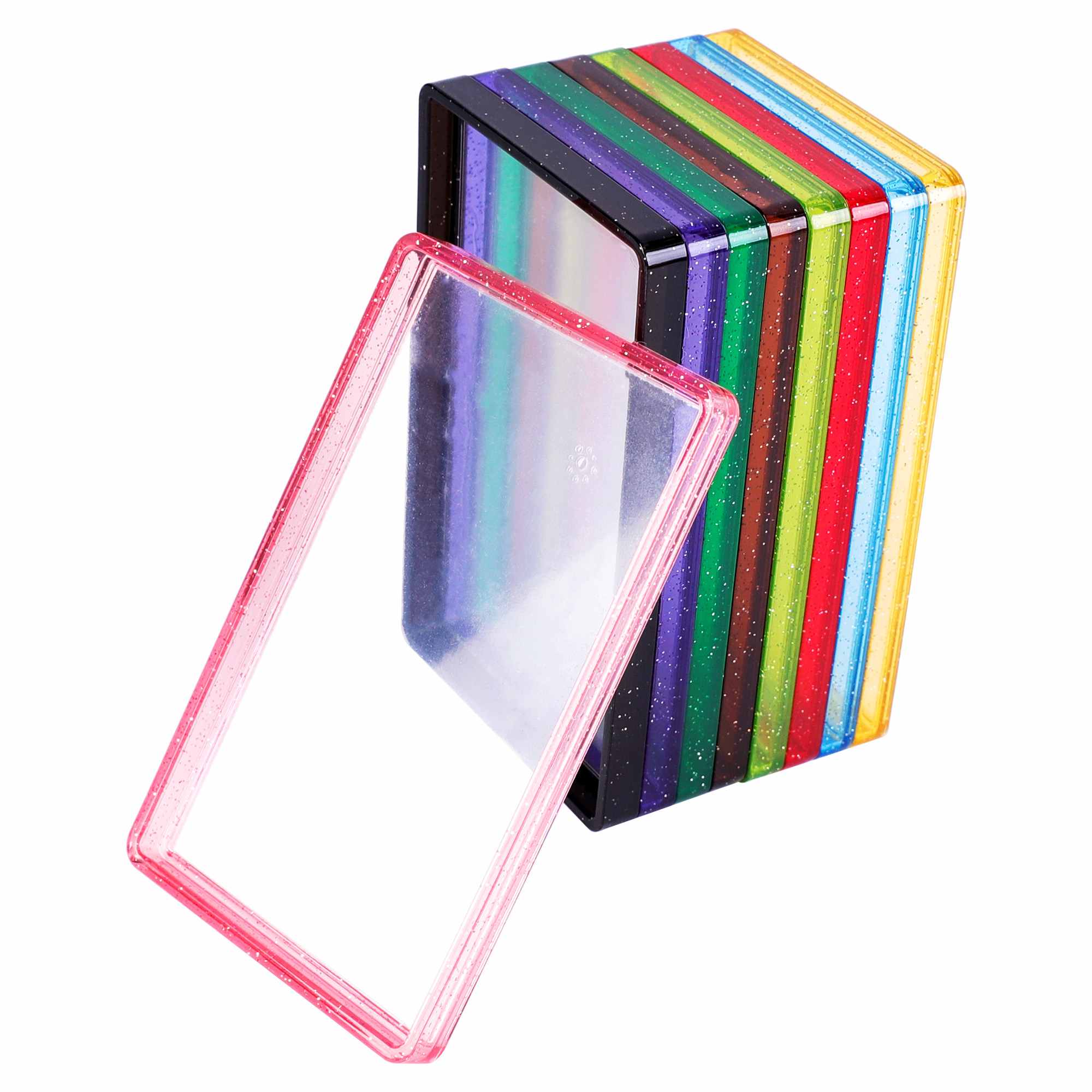
Kejea TPU Graded Card Holder Gradient Multi Color Drop & Scratch Proof Frame for PSA Sports&TCG Game Collectible Trading Cards
High-clear soft protective film, fits cards closely, dust-proof and scratch-resistant without affecting look and feel.


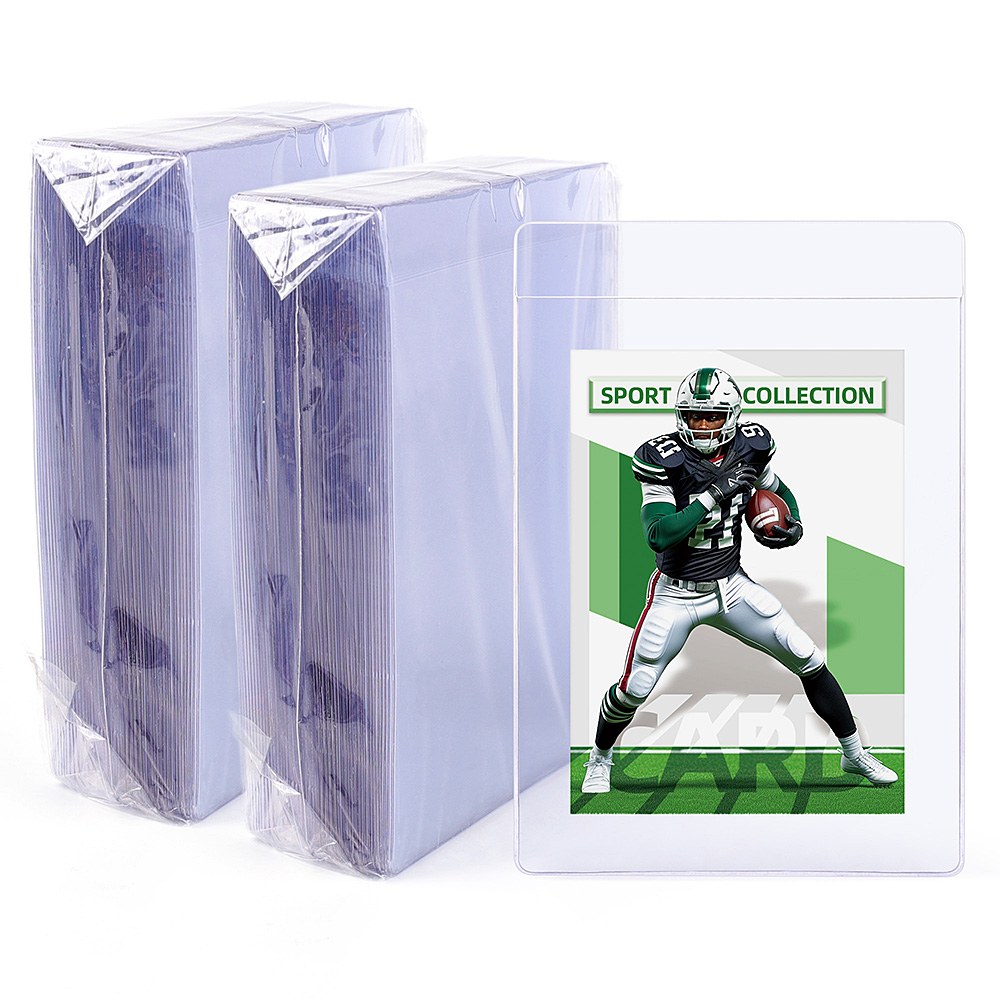



OEM · ODM · Private Label
Made for Your Brand
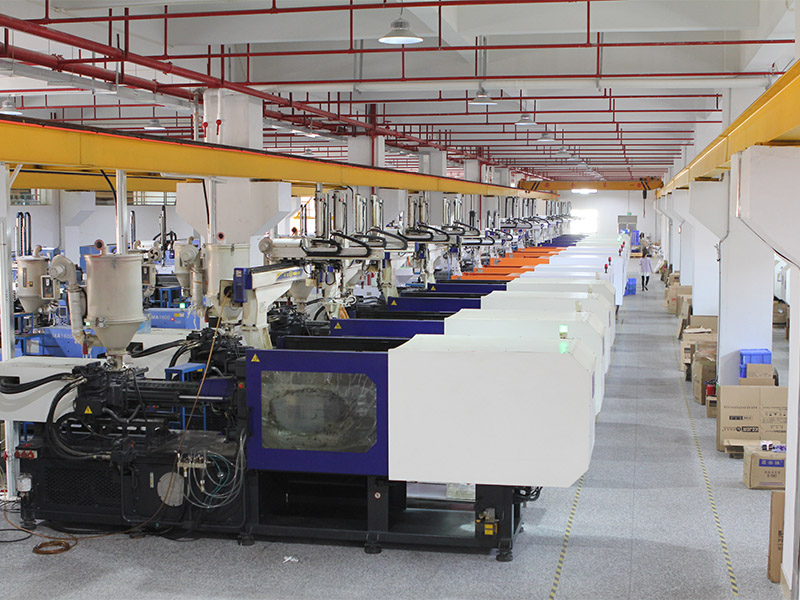
Bring us your idea, drawing, reference sample or product requirements. KEJEA supports OEM and ODM projects from product development and customization to sampling, production and packaging.
Learn More

From a drawing, reference sample or product concept, our in-house mold development capability helps turn your design into a production-ready solution.
Learn More
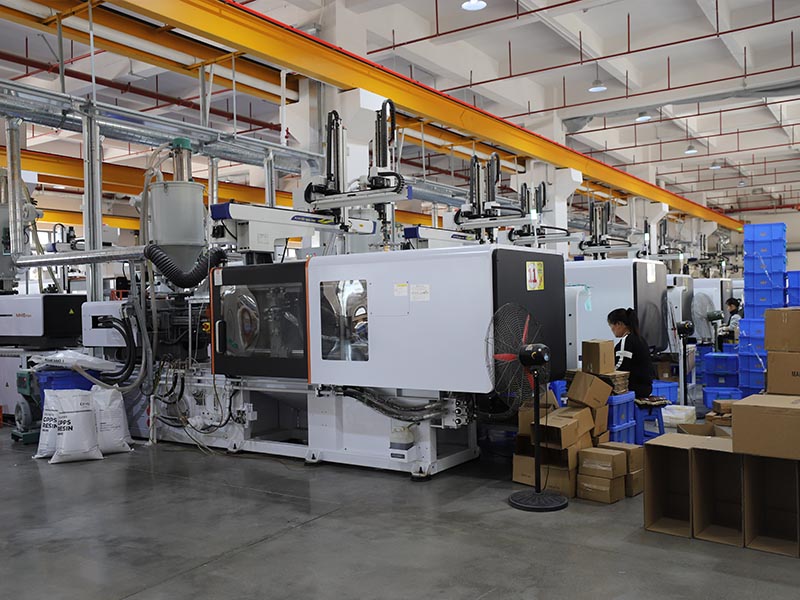
Turn your product concept into a physical sample before committing to mass production. We help review specifications, develop the product and confirm key details through sampling.
Learn More

We provide practical packaging customization for bulk B2B orders, including OPP bags, inner boxes and outer cartons. Packaging specifications can be adjusted to suit your products and shipping requirements.
Learn More

Once your sample is approved, our manufacturing operation moves into bulk production with defined product specifications and quality control procedures to maintain consistency across orders.
Learn More

From production completion to export preparation, we coordinate packaging, order handling and shipment requirements for international B2B customers.
Learn More


Solution
Solution
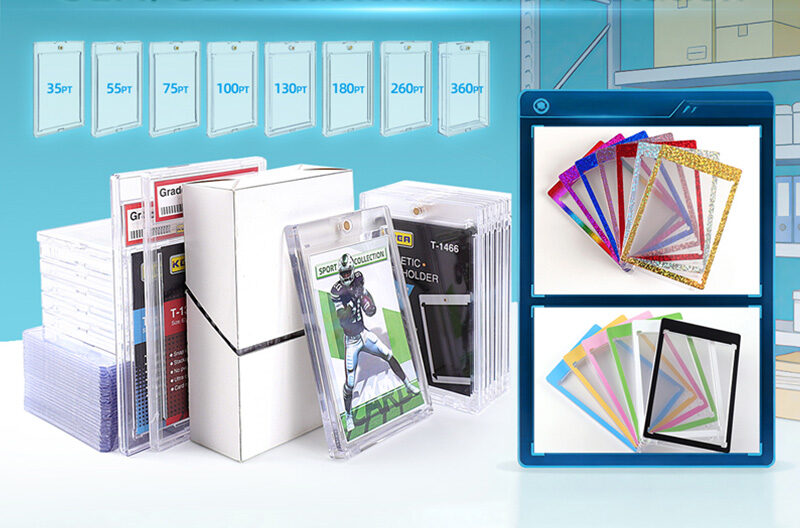
Product Sourcing Solution
One Source for Multiple Trading Card Accessories
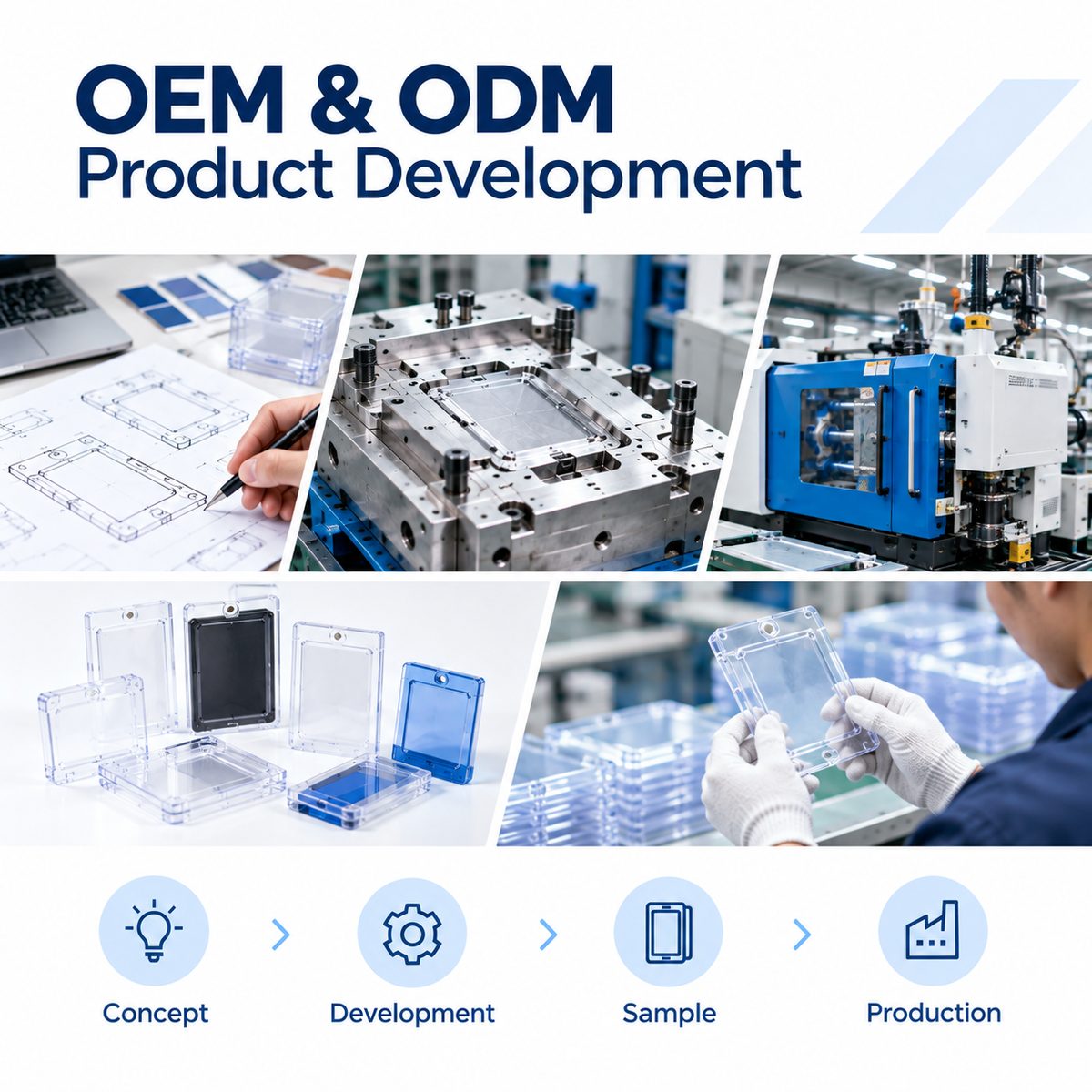
OEM & ODM Product Development
From Product Idea to Production-Ready Sample
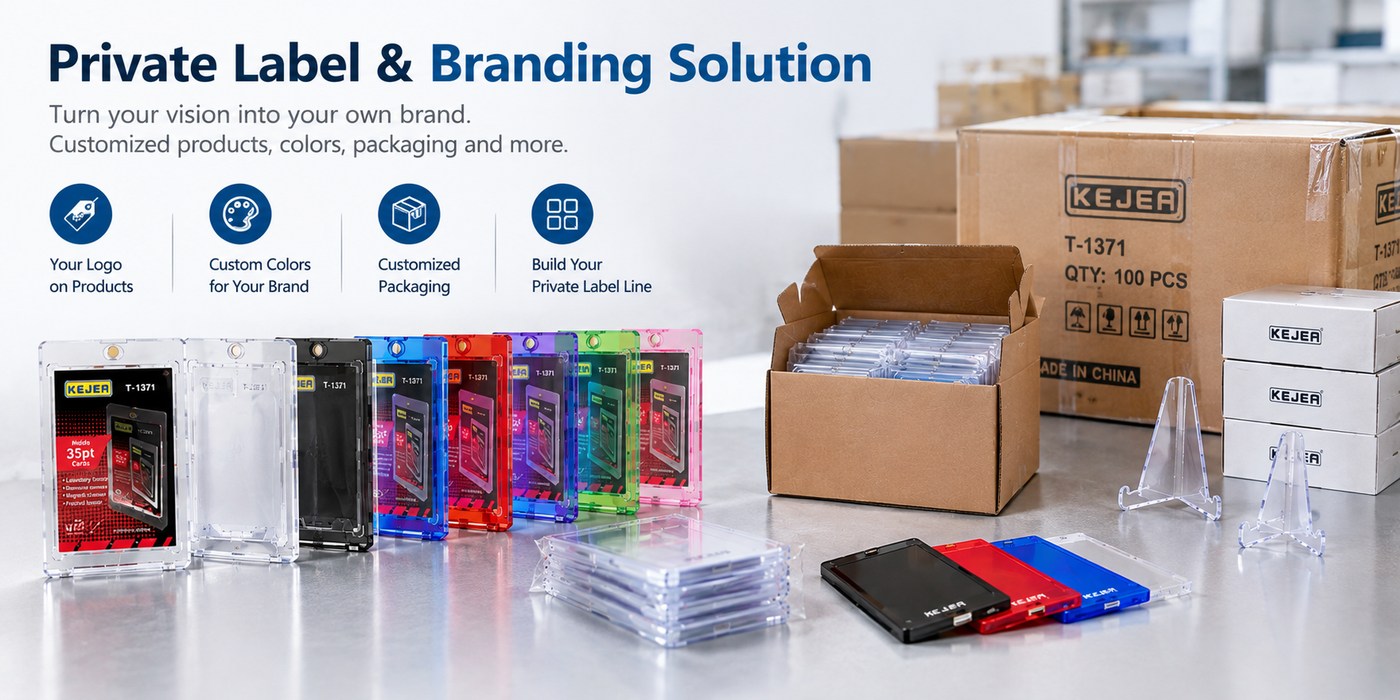
Private Label & Branding Solution
Build Your Own TCG Product Line
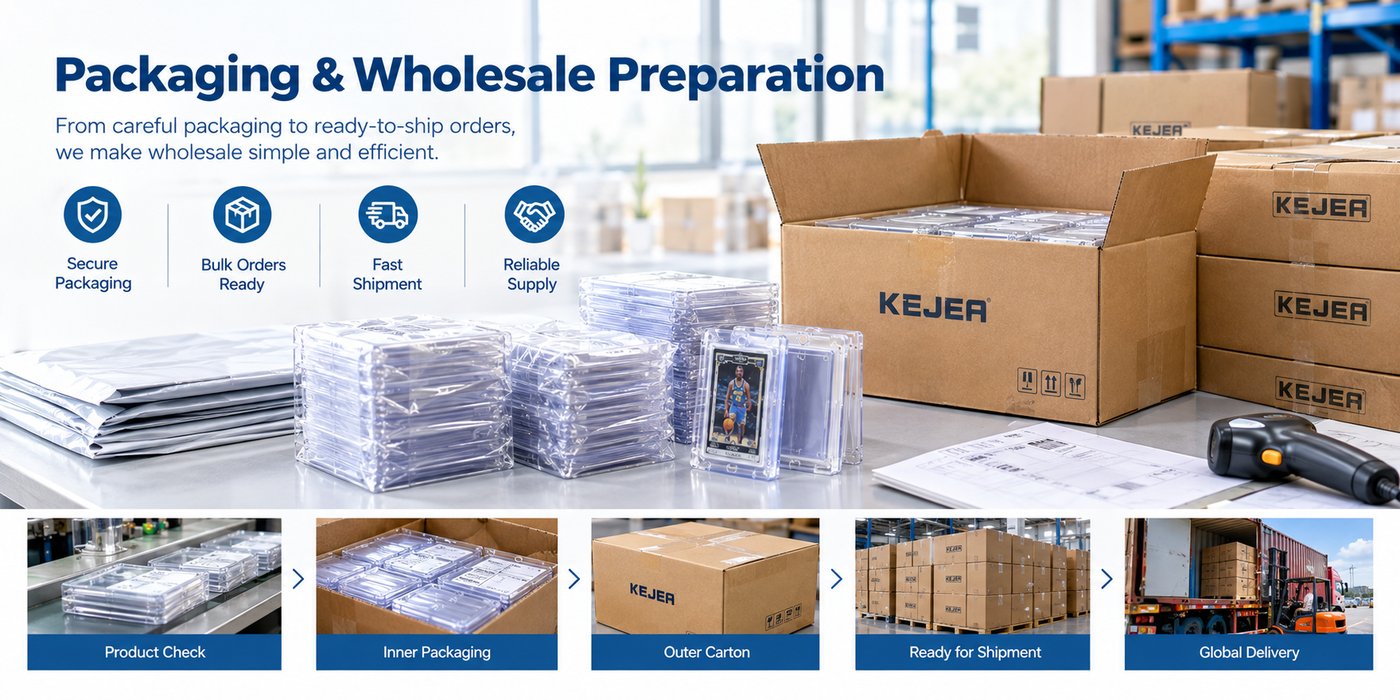
Packaging & Wholesale Preparation
Packaging Designed for Bulk Supply
News & Insights
Fresh news from the Kejea factory
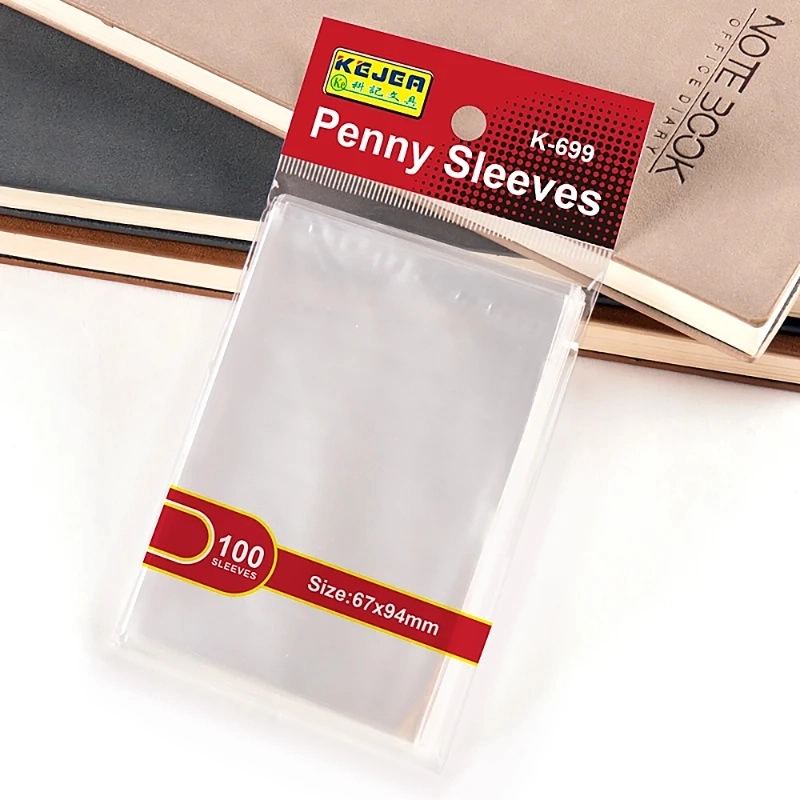
How to Source K-pop Photocard Sleeves Wholesale for Retail Stores
Compare K-pop photocard sleeves wholesale by card size, double-sleeve fit, binder compatibility and retail packaging. Request samples from KEJEA.
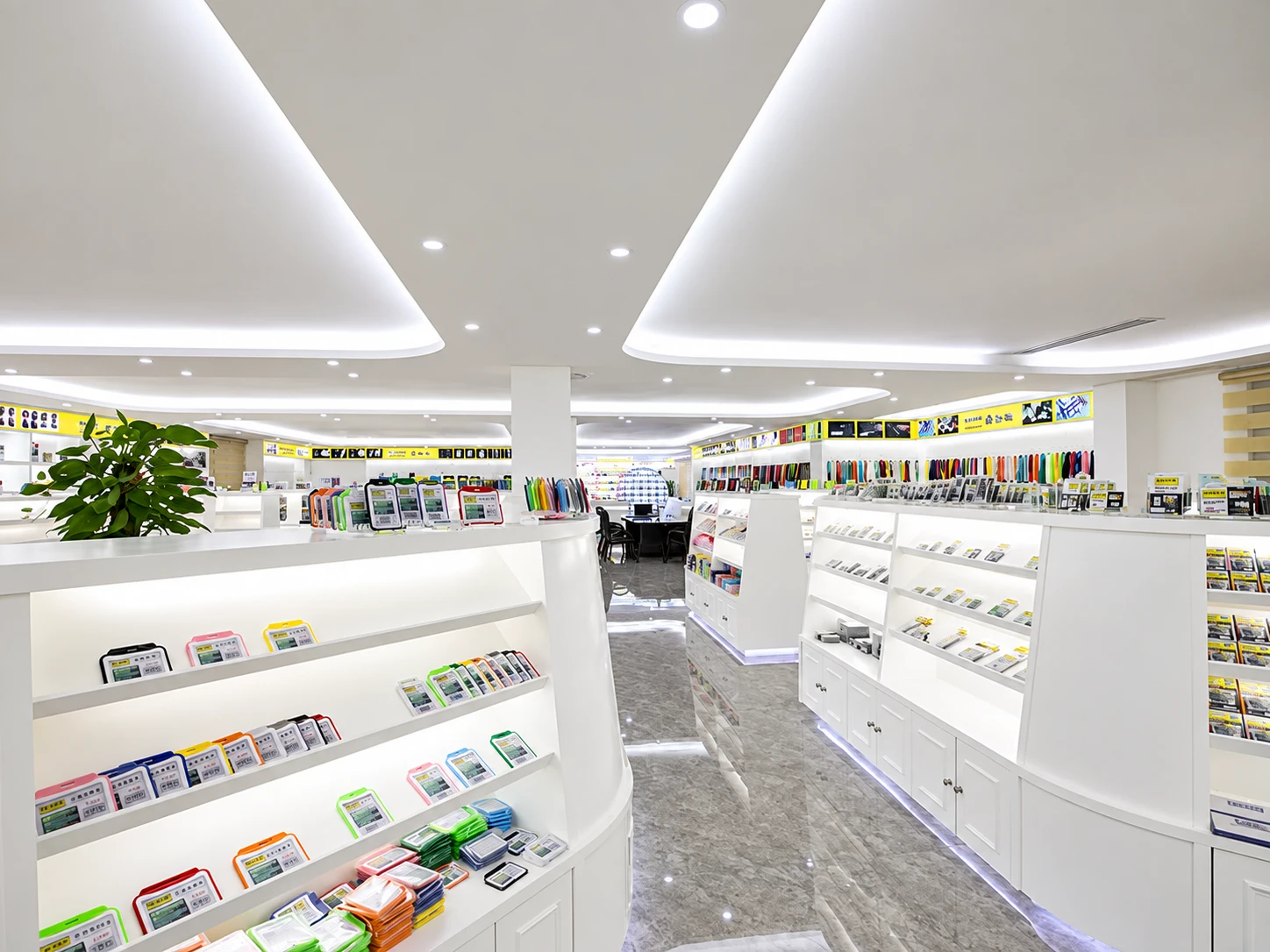
Custom Trading Card Accessories OEM/ODM: A Buyer’s Guide from Concept to Production
Plan a custom trading card accessories OEM/ODM project from product brief and sampling to packaging approval, quality control, and production.
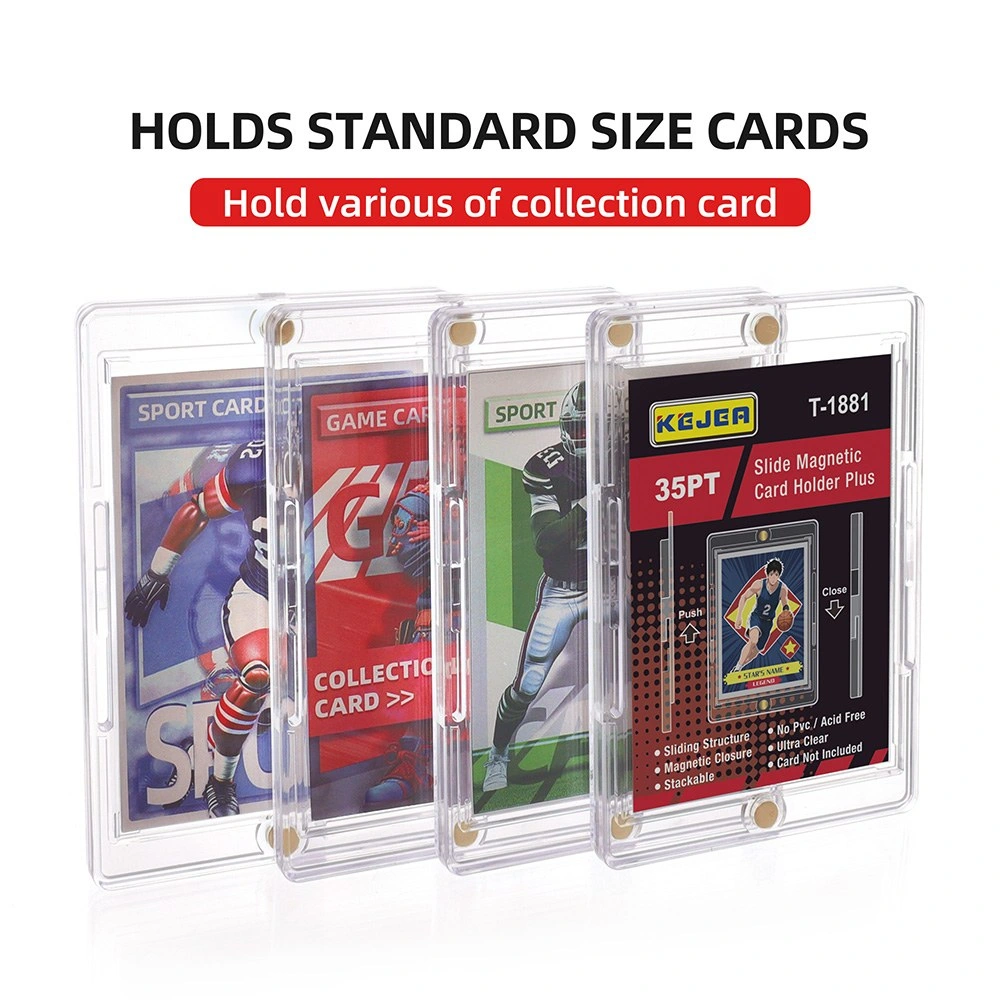
Magnetic Card Holder Manufacturer for Bulk Orders
Learn how to qualify a magnetic card holder manufacturer for bulk orders using fit checks, samples, packaging review, and production controls.
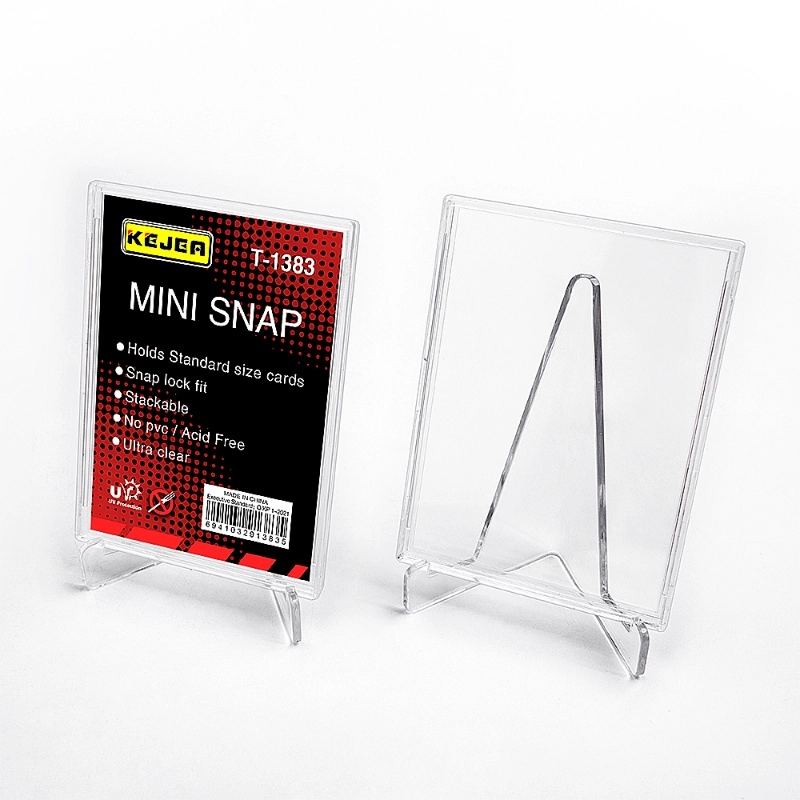
Mini Snap Card Holder Wholesale How Buyers Choose for Retail and Bulk Sales
Source mini snap card holders wholesale by comparing card fit, closure, material, retail packs, carton quantities, OEM options, and sample checks.